August 8, 2026, 7:16 pm
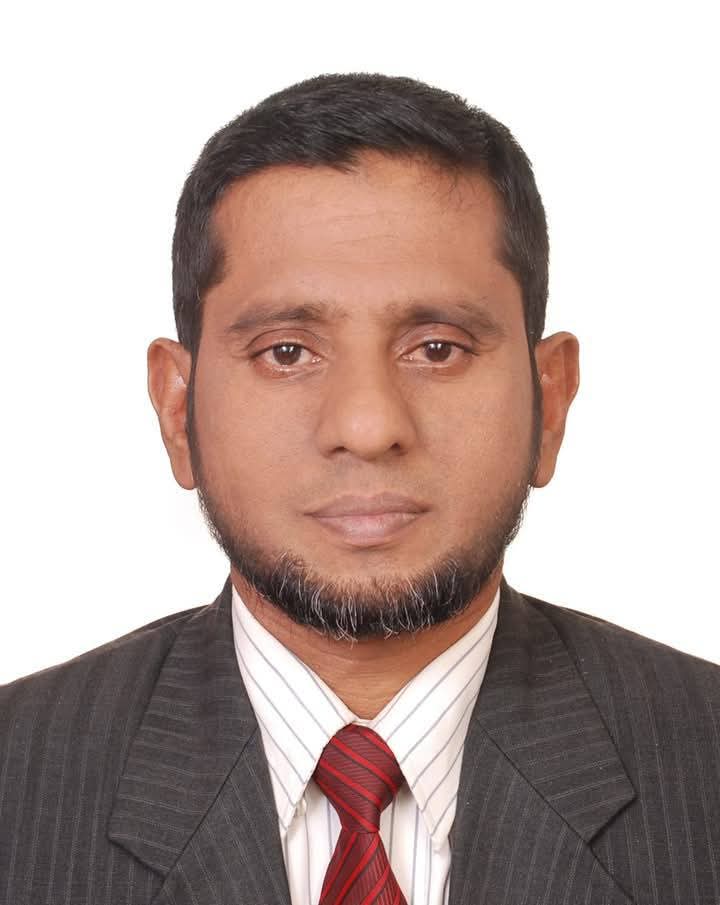
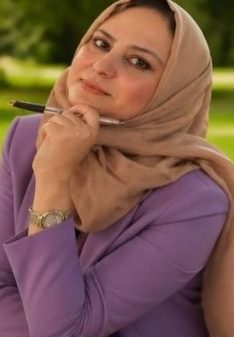

Turkia Loucif Algeria
Six Collections Awaiting Publication
Algerian Poet Mohamed Daadi Has Been Writing About Women for Forty Years
The Algerian poet Mohamed Daadi has been writing about women for over forty years. He has seven completed poetry collections and more than 1,400 poems, most of which remain unpublished. Influenced by Nizar Qabbani, he has nonetheless carved his own path, choosing prose poetry to stay closer to people. In this interview he speaks about women, waiting, Blida, and his dream of representing Algeria at literary forums.
====
Interview by: Turkia Loucif
Algeria
Q: When you write about women, are you writing about a specific woman who ignited your beginnings, or about “woman” as a universal cause and pain that dwells within you?
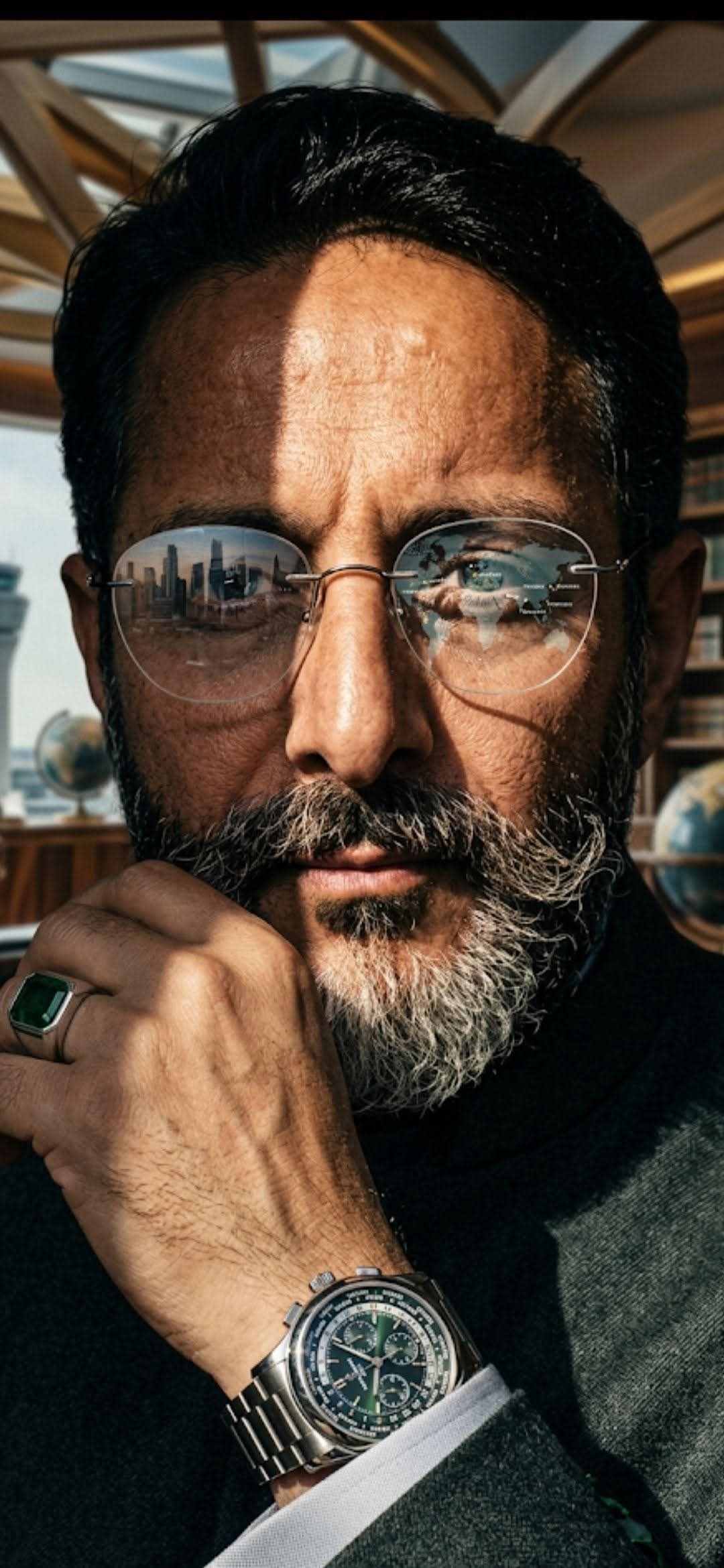
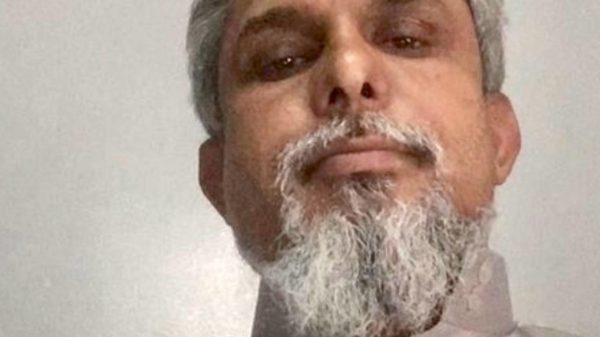
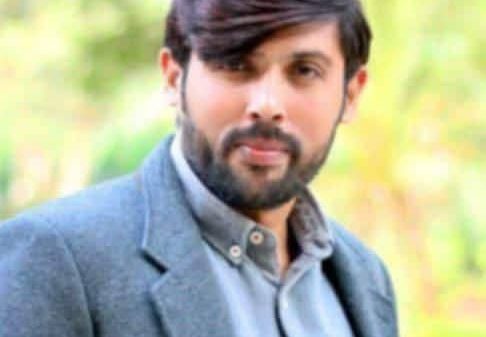
poet Mohamed Daadi Algeria
Love is a human instinct instilled by God in both men and women. Therefore, its presence in poetry is only natural. When I write about women, I am not writing about one specific woman, but about woman as a vast human world with many faces and manifestations.
I also do not believe that a poet only writes what he has personally lived. A poem may be born from personal experience, or it may be inspired by a story read in a book, a scene watched in a film, or a tale heard from others. Poetry, in the end, is an interaction with life and all its emotions and experiences.
What accompanies me most in my writing are those small human details: a sincere glance, a tender word, or a reproach that carries hidden affection. These are the details that give the poem its soul and authenticity.
Q: Your seven collections clearly bear the mark of Nizar Qabbani, especially the collection Al-Majdaliya. What was the secret you found in Nizar’s experience that made it capable of bearing women’s pain today without falling into the trap of imitation?
And when exactly did you realize that your pen had its own path?
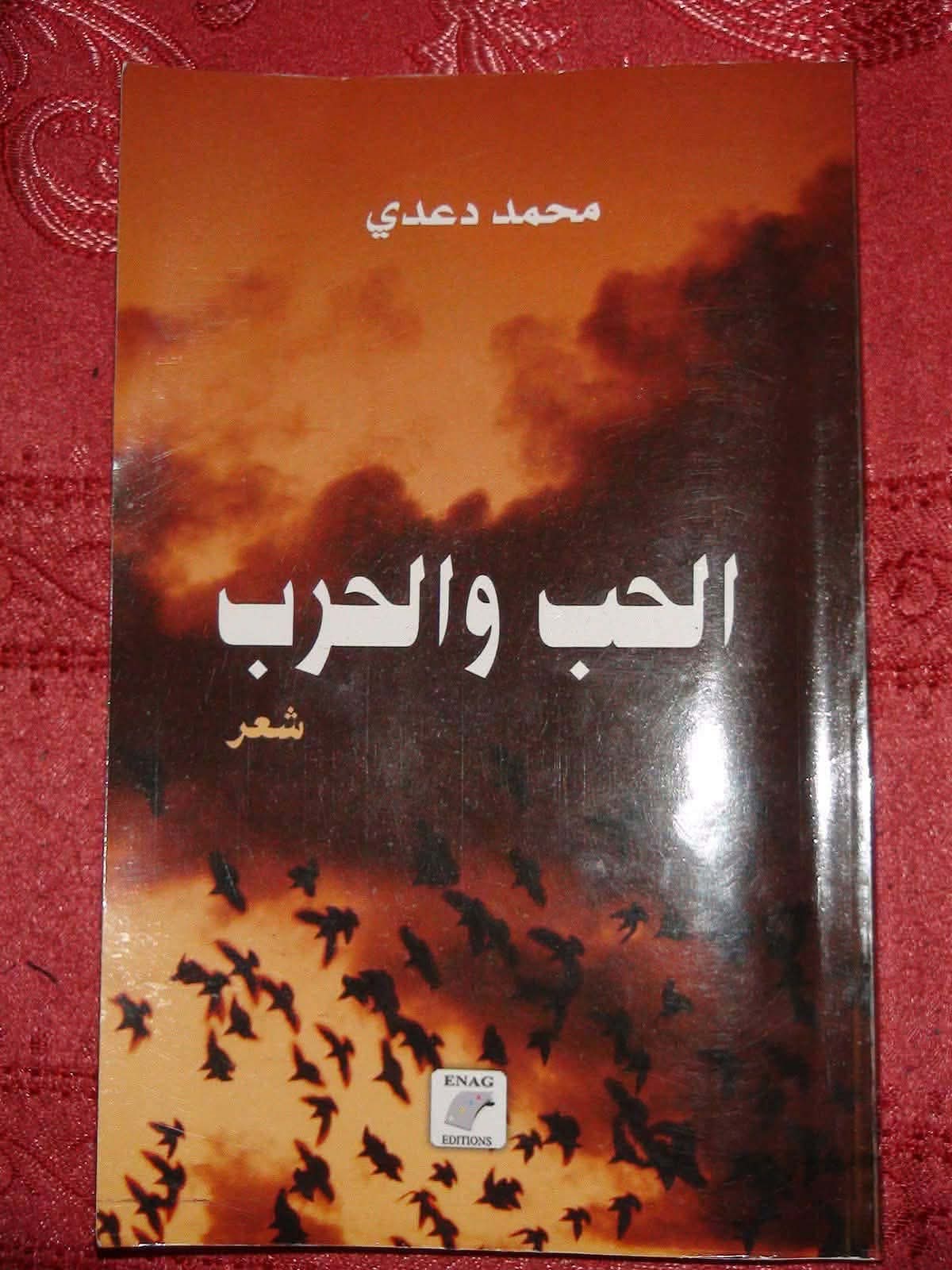
I am an Algerian poet and the author of Love and War, published by ENAG in 2013. I have also completed six other poetic manuscripts between 2013 and 2018:
_Me and My Beloved_ 2012, Love and War 2013, The Freckled Brunette 2013, Bilqis 2015, The Mirror and Love 2016, A Woman Unlike Other Women 2017, The Liar 2018.
I do not deny my influence by Nizar Qabbani. I learned from him the simplicity of language, the clarity of imagery, and the avoidance of complexity and affectation. I was also influenced by his ability to make woman a central poetic and human cause, not just a passing subject in a poem. But influence does not mean imitation. What I took from Nizar was the celebration of women and the defense of their right to be present in poetry and in life. What I did not take was the excessive focus on the body found in some of his texts. I am more inclined to see woman as a spirit, emotions, and a complete human being, not merely a physical image.
I realized my pen had begun to forge its own path when I started writing about women as I see them, not as Nizar or anyone else saw them, and when I developed my own voice, vision, and experience in expressing love, beauty, and humanity.
Q: Between classical poetry, free verse, and prose poetry, which form was the truest vessel to carry the weight of your experience across your seven collections? And why?
I respect all poetic forms, from classical to free verse to prose poetry, each with its own beauty and uniqueness. I have sometimes written in metered verse with rhyme and classical meters. However, I found myself closer to prose poetry because it grants me a wider space to express ideas and feelings away from strict artistic constraints.
We live in an era where standard Arabic has less presence in daily life, and many people find it difficult to follow complex and dense texts. Therefore, I am keen for my poems to reach both the ordinary reader and the specialized one, and to speak to different segments of society in Algeria and across the Arab world.
For this reason, prose poetry was the vessel closest to my experience, because it allows me to say what I want in language that is smoother and closer to people, without losing the poetic and aesthetic dimension of the text.
Q: Seven collections mean seven worlds. Which collection was the hardest for you to write, to the point that you felt you were digging into yourself rather than into paper? And conversely, which one flowed from you with ease and wonder?
The hardest collection I wrote was Love and War, which I compiled in 2013. Its difficulty probably stemmed from it being the culmination of many years of experience, searching, and learning. I have been writing poetry since the age of fourteen, beginning after the death of my sister, Sumaya, may God have mercy on her. At that time, the texts were merely early attempts and poetic scribbles through which I learned how to express what was inside me. The experience then developed over the years.
The collection that came with ease and flow was my fourth, Bilqis. I feel it was written during a period when ideas and poetic images flowed naturally, as if the poems were writing themselves. That is why it remains one of the works I remember with the most amazement and joy during the writing process.
Q: You have dedicated seven entire collections to women. What is the secret that makes her an inexhaustible source in your poetic experience? And among all the women in your poems, who is your “Magdalene”?
In my poetic experience, woman is not merely a beloved. She is the mother, sister, daughter, friend, and wife — a human and aesthetic presence that cannot be reduced to a single image. Perhaps that is why she has remained a constant source of inspiration in my poems, because she represents multiple facets of life, emotion, and memory.
As a poet, I see beauty in its diversity and difference: in the brunette and the fair-skinned, in those with blue or green eyes, in the tall and the short, and in the various features God has created. Beauty is not a single mold; it is diversity that enriches life and gives it its magic.
As for my “Magdalene,” I cannot confine her to one woman. Many women have passed through my life and left an impact on my conscience and memory. Each of them added a color, a feeling, or a story to my poems. Therefore, my Magdalene is not one person, but a blend of faces, experiences, and emotions that have left their mark on my poetry and my life.
Q: How many years have your six collections remained locked in drawers? Which year of waiting was the heaviest on you? What cultural promise did you believe in, only to be let down?
I began compiling my first collection, Love and War, in 2013. The collections followed, until I had seven completed poetry books. I submitted them to the Ministry of Culture under programs supporting creativity and creators, hoping they would see the light in a reasonable time.
But the journey of waiting was long. My first collection was not published until about five years later, after follow-ups and procedures. The rest of the collections remain locked in drawers to this day. The first years of waiting were perhaps the hardest, because a poet is full of enthusiasm and eagerly anticipates the publication of his first work.
The “cultural promise” that let me down was my belief that the quality of the text and the effort put into writing were enough for a poet to reach publication and readers. Over time, I realized that the cultural path is more complicated, and that many creators remain waiting for years despite their participation and awards and certificates of appreciation from literary and cultural platforms inside and outside the Arab world.
Q: If you could go back in time to the poet who wrote the first collection, what would you tell him about the journey of waiting? And what advice would you not withhold from a young poet today?
If I could go back to the poet who compiled his first collection in 2013, I would tell him that the path to publication is longer than he imagines, and that he should not tie all his dreams to one entity or to promises that may be delayed for years. I would also tell him that support for creativity should be based on the value of the work and the effort invested in it, not on personal connections or mediations.
If my financial circumstances had allowed it at the time, I would have chosen to self-publish instead of waiting years for a single collection to be published. When a poet calculates the time wasted in waiting, he realizes that a literary life is too precious to be consumed entirely in publishing queues.
My advice to young poets is to keep writing no matter the obstacles, and to have a clear goal they pursue with determination. If they are offered a chance for direct publication or an agreement with a serious publishing house or printing press, they should not postpone their projects for too long, because excessive waiting may be creativity’s greatest enemy.
Q: How do you assess the cultural scene in Blida today? And which platform or forum do you see as the true home for poets who have written a lot but remained in the shadows?
The cultural scene in Blida is rich with talents and names writing in various literary genres. However, many creators still need wider spaces for support and for introducing their work. Through my personal experience, I realized that cultural activity does not rely solely on the enthusiasm of intellectuals, but also requires real and sustained support.
I was a member of the Al-Azhar Association for Arts and Poetry for three years, where I served as treasurer. During that period, association members made great efforts to energize the cultural movement, but available resources were limited, and cultural associations did not receive the support needed to perform their role properly.
On a personal level, I participated in many poetry evenings and forums across the country’s provinces. One of the highlights was winning first place in a poetry competition in Oum El Bouaghi province during the commemoration of the glorious November 1st in 2016, which confirmed to me that talent exists and that poets are capable of giving when they find platforms that do them justice.
I believe that a poet’s true home is any serious cultural platform that opens its doors to creators based on the quality and artistic value of the text, and that gives opportunity to new and diligent voices, free from any other considerations.
Q: You have seven collections awaiting publication. What is your criterion for choosing which one to print first? And which poetic line would you wish to crown the cover of the first collection to see the light?
If I had to choose one collection from those unpublished, I would probably choose Bilqis. Not necessarily because it is the best, but because it was written at a stage when my poetic experience was more mature, and I was living through an emotional and human state that was strongly reflected in the texts. I poured a great deal of my feelings and sensations into it.
I believe readers will notice a clear difference between this collection and my first, Love and War, because a poet evolves over time, as do his language, vision, and artistic tools. Yet the first collection will always hold a special place in the heart, as it is the beginning from which the entire journey started, and the first memory that cannot be replaced.
As for the poetic line I would wish to adorn the cover of my next published collection, I would prefer it to be from the texts of that same collection, because it is the most capable of expressing its spirit and poetic identity.
Q: After seven collections about women, do you feel you have said everything, or has the eighth collection already begun to form in your silence? What is the dream that, if realized tomorrow for even one of the seven, would make you say: “Now the journey is complete”?
I do not believe a poet can ever say everything. Every time he writes a poem, he discovers that other poems are waiting for him. It is true that I have a number of completed collections, some submitted for publication and some still waiting. But I continue to write constantly, and I have a large body of work exceeding 1,400 poems written over more than forty years of poetic practice.
Therefore, I do not see the journey as nearing its end. I feel that new collections are forming every day. Even if all my current collections are published, there will be other works ready to emerge. For me, poetry is a life project, not the project of a single book.
My greatest dream is for my poems to reach a wider audience, to represent Algeria in Arab and international literary forums, and to contribute, even modestly, to presenting an honorable image of Algerian literature, as
many writers and poets have done in raising Algeria’s name high in cultural arenas.
𝐂𝐡𝐢𝐞𝐟 𝐄𝐝𝐢𝐭𝐨𝐫 :
𝐌𝐝. 𝐒𝐚𝐝𝐢𝐤𝐮𝐫 𝐑𝐚𝐡𝐦𝐚𝐧 𝐑𝐮𝐦𝐞𝐧